 EN
EN

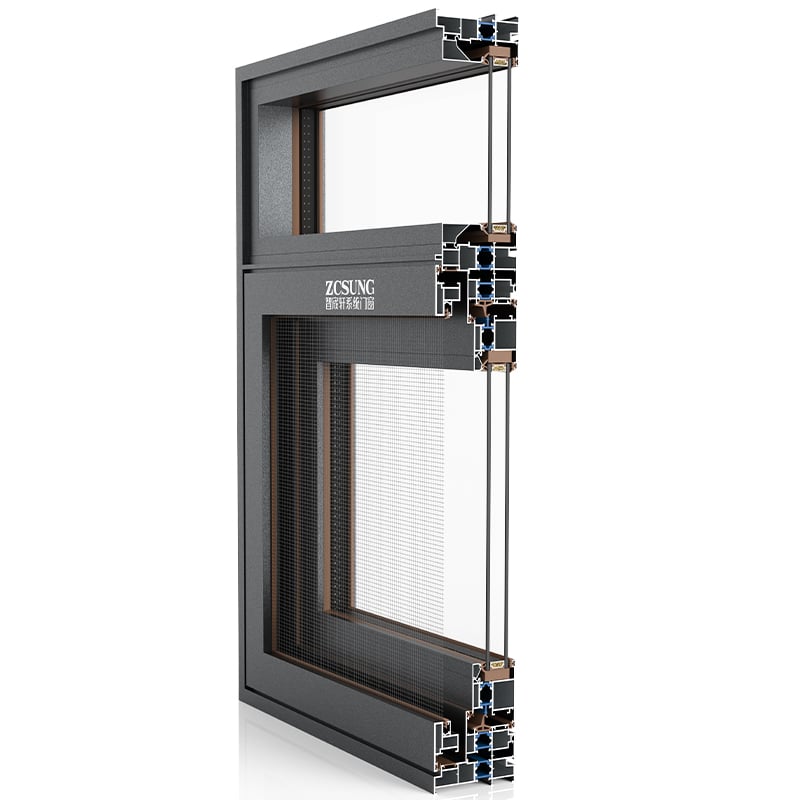
What Exactly Is a Thermally Broken Aluminum Window Frame?
Traditional pure aluminum frames feature high thermal conductivity, meaning they rapidly transfer outdoor heat and cold indoors, resulting in temperature imbalance and energy waste. Thermally broken aluminum technology completely solves this pain point by inserting a high-performance non-metallic isolation layer — typically a PA66 polyamide thermal strip — to separate the interior and exterior aluminum profiles.
This physical “break” in the metal structure effectively blocks heat conduction, preventing outdoor high temperatures from seeping inside during summer and stopping indoor heating from escaping in winter. Beyond excellent thermal insulation, thermally broken aluminum frames retain the inherent strengths of aluminum materials: exceptional structural rigidity, strong wind resistance, impact toughness, and stable structural performance.
Equipped with double or triple insulated glass, multi-layer sealing systems, and customized surface treatments, modern thermally broken aluminum window systems are widely recognized as a premium building solution. They are highly suitable for high-rise apartments, modern villas, commercial office buildings, large bay window designs, and construction projects in extreme weather regions.
Core Features of uPVC Window Frames
uPVC (unplasticized polyvinyl chloride) is a rigid, low-density synthetic plastic material engineered specifically for construction decoration. Unlike metal frames, uPVC itself boasts naturally low thermal conductivity, requiring no additional thermal isolation strips to achieve basic heat and cold insulation.
Most standard uPVC window frames adopt a multi-cavity hollow structure. This specialized design traps static air inside the frame, further weakening heat exchange and improving overall thermal and sound insulation effects. Thanks to its affordable production cost and stable basic performance, uPVC windows have become the mainstream choice for ordinary residential renovation and low-budget new construction projects worldwide.
With advantages of anti-corrosion, rust-proof performance and simple daily maintenance, uPVC windows perform stably in mild climate zones. However, limited by material characteristics, they have obvious limitations in structural strength, high-temperature resistance, and personalized design flexibility.
Thermally Broken Aluminum vs uPVC Windows: Full Performance Comparison
1. Energy Efficiency & Thermal Insulation Performance
Energy efficiency is the core indicator users care about most, and the thermal performance of windows is mainly measured by U-value — the lower the U-value, the better the insulation effect.
Thermally Broken Aluminum Windows High-quality thermally broken aluminum window systems rely on PA66 thermal break isolation, multi-layer sealing technology, and high-spec insulated glass to achieve ultra-low U-values. Premium customized aluminum window products can completely surpass conventional uPVC windows in thermal insulation. Slim frame designs do not sacrifice energy performance, making them ideal for large-area glass curtain walls and panoramic windows. It is worth noting that inferior low-cost thermal break aluminum products with thin or unqualified isolation strips will have significantly reduced heat insulation effects.
uPVC Windows Benefiting from the material’s natural low heat conduction and multi-cavity structure, standard uPVC windows provide reliable and stable basic insulation. For ordinary residential buildings in mild climates, uPVC can fully meet daily energy-saving needs. Nevertheless, in high-temperature, strong UV or extreme cold environments, uPVC frames are prone to slight thermal expansion and contraction, which may affect long-term sealing performance and lead to gradual attenuation of insulation effects.
2. Structural Durability & Service Lifespan
Building windows belong to long-term fixed facilities, and long-term durability determines the actual cost performance of the product.
Thermally Broken Aluminum Windows Aluminum alloy materials have excellent structural stability. After professional powder coating, fluorocarbon spraying or wood grain transfer surface treatment, the frames can effectively resist UV erosion, high-temperature aging, coastal salt spray corrosion, and strong wind pressure deformation. The frames will not warp, fade or crack after long-term use. The average service life of high-quality thermally broken aluminum windows can reach 30 to 50 years, and they are adaptable to harsh environments such as coastal areas, high-altitude strong wind zones, and tropical high-temperature areas.
uPVC Windows High-grade uPVC materials are free of rust and rot, but plastic materials have inherent aging defects. Long-term exposure to strong ultraviolet radiation and high temperature will cause frame discoloration, brittleness, and micro-deformation. Low-cost inferior uPVC windows will age rapidly within 10–15 years, with sealing failure and frame cracking. Even high-quality uPVC products have a limited service life of 20–30 years, and their structural strength cannot support oversized glass installation.
3. Upfront & Lifecycle Cost Differences
There is a clear price gap between the two materials, and the cost advantage varies greatly in the short and long term.
uPVC Windows: The biggest advantage is low upfront procurement cost. The production process is mature and the material cost is low, making it the most cost-effective choice for budget-limited residential projects and old house renovations.
Thermally Broken Aluminum Windows: The initial installation cost is higher due to complex manufacturing processes, high-quality thermal break accessories, and high-standard surface treatment. However, its ultra-long service life, zero replacement cost, and stable performance greatly reduce later maintenance and renovation expenses. From the perspective of full lifecycle investment, thermally broken aluminum windows have higher long-term cost performance for permanent buildings.
4. Daily Maintenance & Upkeep Difficulty
Both window types belong to low-maintenance building materials, but there are subtle differences in long-term maintenance requirements.
Thermally broken aluminum frames have a wear-resistant and anti-fouling surface. Daily cleaning only requires wiping with clean water or neutral mild detergent, with no need for regular repainting, sealing or anti-corrosion treatment. The overall performance remains stable for decades with almost no manual maintenance cost.
uPVC windows are easy to clean in daily use, but users need to regularly check the aging degree of sealing gaskets and frame deformation. After years of outdoor exposure, the sealing performance may decline, requiring manual replacement of accessories to ensure insulation and waterproof effects.
5. Aesthetic Design & Application Flexibility
With the upgrading of architectural aesthetics, window frame sightline and overall matching degree have become important selection standards.
Thermally broken aluminum windows support ultra-narrow slim frame designs, which maximize the glass viewing area and create a modern minimalist architectural effect. They support personalized customization of various colors, wood grain textures, and special surface finishes, and can adapt to various architectural styles such as modern simplicity, light luxury, and industrial style. Meanwhile, their super structural strength can support floor-to-ceiling glass, large bay windows and curtain wall windows.
uPVC frames are limited by material structure, with thicker frame borders and single visual effect. The color and texture customization options are few, and it is difficult to realize ultra-narrow frames and oversized glass designs, which cannot meet the high aesthetic needs of high-end buildings.
6. Acoustic Insulation Performance
The sound insulation effect of windows mainly depends on glass thickness, hollow layer structure and overall sealing technology, rather than frame material alone. Both thermally broken aluminum and uPVC windows can achieve excellent noise reduction effects when matched with double-layer or triple-layer insulated glass and high-density sealing strips. In high-noise areas such as urban roads and downtown areas, both materials can effectively isolate outdoor noise and ensure indoor quiet comfort.
How to Choose: Thermally Broken Aluminum or uPVC Windows?
Choose Thermally Broken Aluminum Windows If:
-
You are constructing high-end villas, high-rise buildings, commercial buildings and other high-grade permanent projects
-
You pursue modern slim frame aesthetics and large-area panoramic glass design
-
The project is located in coastal, high-temperature, strong UV or strong wind extreme weather areas
-
You prioritize long-term stability, ultra-long service life and low later maintenance costs
-
The project budget allows for high-quality long-term investment in building fixtures
Choose uPVC Windows If:
-
It is a conventional low-rise residential new build or old house renovation project with a limited budget
-
The building is located in a mild climate area without extreme high temperature and strong ultraviolet radiation
-
Only standard-size conventional windows are needed, with no demand for oversized glass customization
-
You need cost-effective basic energy-saving and heat-insulating window solutions
Frequently Asked Questions
Q1: Which is better for energy saving, thermally broken aluminum or uPVC windows?
It depends on product grade and installation standard. High-quality thermally broken aluminum windows have better and more stable energy-saving performance, especially in extreme climates. Standard uPVC windows can meet basic energy-saving needs for ordinary houses in mild areas, with slightly lower upper performance limit.
Q2: Do thermally broken aluminum frames overheat in summer?
Qualified products with genuine PA66 thermal break strips will not have obvious heat conduction. The thermal isolation layer can effectively block outdoor high temperature, keeping the indoor frame temperature stable. Only inferior aluminum windows without standard thermal break structure will have obvious heat transfer problems.
Q3: Can uPVC windows be used in tropical high-temperature areas?
Long-term high temperature and strong UV radiation will accelerate the aging and deformation of uPVC frames. For tropical and subtropical high-temperature areas, thermally broken aluminum windows with stronger weather resistance are more recommended.