 EN
EN

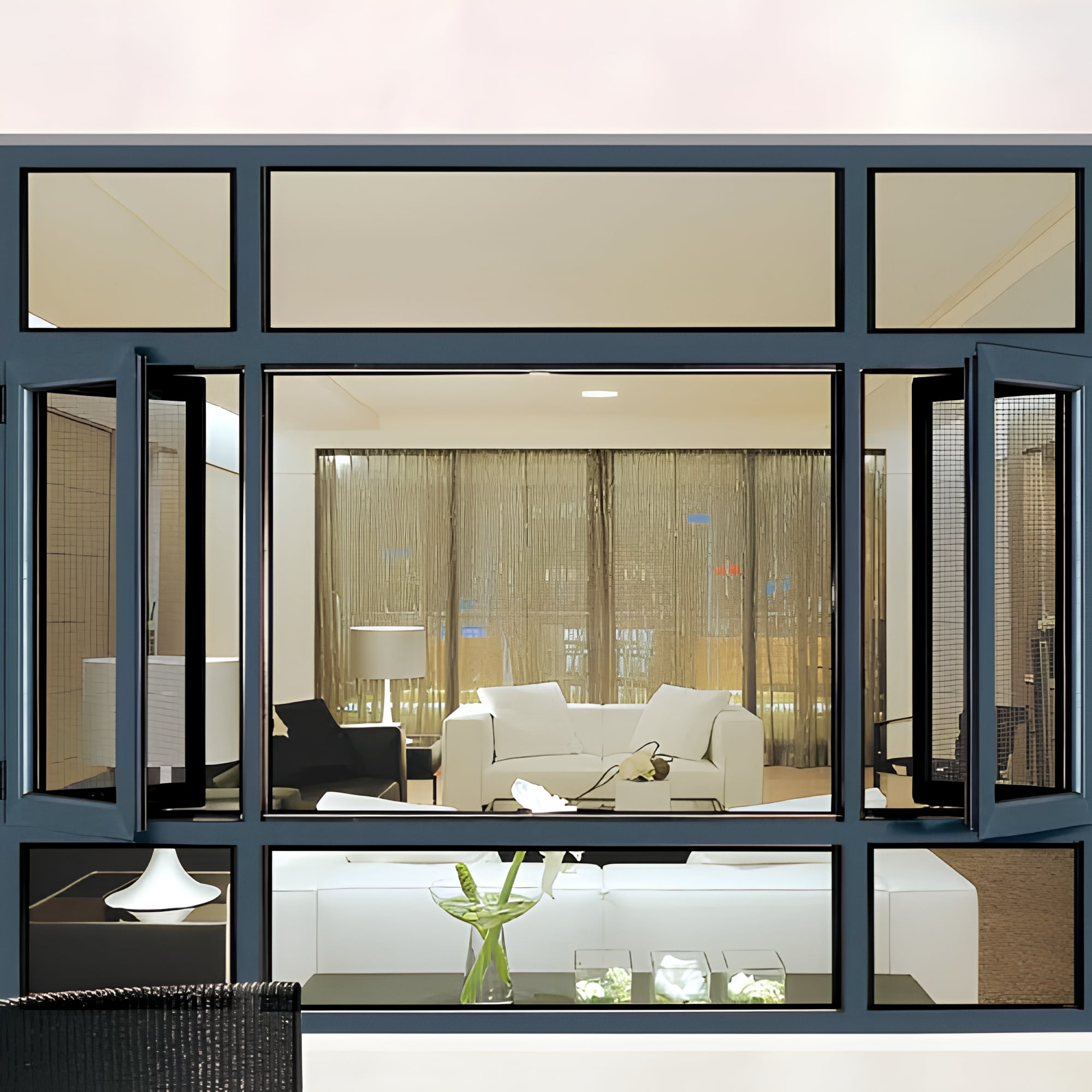
Casement windows have one big advantage over sliding or double hung windows when it come to sound blocking. The way casement window close is fundamentally different from any other window style. When you shut casement window, the sash press hard against frame all around the edge at same time. This create very tight compression seal that almost no air or sound can pass through. Compare to sliding window that have gap along track where two sash meet and overlap, casement seal is much more complete and consistent.
Think about it like this. Sliding window is like two pieces of paper lying flat and overlapping each other. No matter how tight you press them, air still pass around edge. Casement window is more like closing a jar lid. When you turn and lock, rubber seal compress all the way around and create actual barrier. This simple mechanical difference have enormous impact on how much sound get blocked. Many homeowner who switch from old sliding window to casement window immediately notice difference, even before changing any glass.
The Science Behind Casement Window Compression Seal
Sound travel through two main path into building. First is through glass itself, where sound wave cause glass to vibrate and then that vibration recreate sound on other side. Second, and often more problematic, is through gap and crack around window frame and seal. This second path is often underestimate by homeowner but it is where most acoustic failure happen.
Even small gap of 1mm around window perimeter can destroy most of soundproofing benefit from expensive acoustic glass. Research from building acoustic laboratory show that gap covering only one percent of window area can reduce overall sound isolation by as much as 10 STC point. This mean if your window glass is rated STC 38 but have poor seal, real world performance might only be STC 28. That is enormous difference in actual noise you hear every day.
Casement window address this second path very well. The compression gasket system in casement window close all gap tightly when window lock. When you turn handle and lock, multiple point of pressure hold sash firm against frame from all four side simultaneously. No loose seal, no air leakage, no sound leakage path. Laboratory test following ASTM E283 standard show that well made casement windows achieve air leakage rate of less than 0.1 cfm per square foot at standard test pressure. Compare this to typical sliding window that often measure 0.3 to 0.5 cfm per square foot. Lower air leakage directly translate to better acoustic performance because air gap is sound gap.
No Meeting Rail: The Hidden Acoustic Advantage of Casement Design
Another reason casement better for soundproof is they usually have single large glass panel without horizontal rail in middle. Sliding window or double hung window have meeting rail in center where two sash meet. This join point is often weakest place for sound to come in because two sash surfaces press against each other without same level of compression as frame gasket.
In double hung window for example, the meeting rail where upper and lower sash meet is thin metal touching thin metal with only small brush seal in between. Any vibration from outside can travel easily through this metal to metal contact point. Even premium double hung window with good weatherstripping still have this inherent weakness in design.
Casement window have no such weak point. One solid glass panel, one continuous rubber gasket seal all around four side. Sound have no easy path at joint in middle because there is no joint in middle. This is not small detail. In real measurement comparison of window with identical glass specification, casement window consistently score 3 to 6 STC point higher than double hung window of same size simply because of this structural difference.
Real Case: City Apartment Renovation in Shanghai
Here is real situation that show how much casement window can change noise experience. Family living in apartment on fifth floor of building facing six lane road in Shanghai. Previous window was aluminum sliding window, single pane from original building construction in 2008. Traffic noise measure inside apartment at approximately 58 to 62 decibels during peak hour. Conversation at normal volume was difficult. Television need to be at high volume to hear clearly. Night sleep was constantly disturb by late night truck and motorcycle.
Family decide to replace with Zcsung thermal break aluminum casement window with 5+12A+5 standard double pane glass. No acoustic upgrade, just standard configuration with good casement compression seal and multi point locking hardware. After installation, inside noise level measure at 42 to 46 decibels during same peak traffic hour. That is reduction of 15 to 18 decibels. To understand what that mean in real life, a drop of 10 decibels make sound seem half as loud to human ear. So 15 to 18 decibel reduction make traffic noise feel about three to four time quieter. Family report that they can now have normal conversation with television off, and sleep through night without noise interruption.
What interesting about this case is that glass specification was not special acoustic glass. Improvement come largely from switching window type from sliding to casement, and from having proper compression seal system. If same family later upgrade to acoustic laminated glass, additional improvement would be even more significant.
Real Case: Boutique Hotel Room Upgrade in Bangkok
Second case come from commercial application. Small boutique hotel in Bangkok have twelve guest room facing busy street market. Guest complaint about noise was frequent in online review, affecting hotel rating and booking. Hotel owner want to solve problem without full room renovation budget.
Previous window was aluminum sliding window with standard double pane glass, installed when hotel build six years earlier. Acoustic measurement show average noise level in room of 54 to 58 decibels during market activity hour from 7am to 10pm. This is comparable to noise level inside busy restaurant, clearly unacceptable for hotel guest trying to rest.
Hotel choose to replace with Zcsung aluminum casement window with acoustic laminated glass configuration: 6mm tempered outside, 12mm argon gas gap, 6.38mm acoustic laminated inside with SGP interlayer. This configuration target STC 38 to 40 range. After installation across all twelve room, acoustic measurement show indoor noise level of 34 to 38 decibels during same market activity period. Reduction of approximately 20 decibels. Guest complaint about noise in online review drop significantly in following months, and hotel rating improve. Hotel owner recover installation cost through improve occupancy and ability to maintain room rate.
Key factor in this case was combination of casement compression seal and acoustic glass working together. Casement seal made sure no gap defeat the acoustic glass performance. Result was that measured performance closely match laboratory rating of glass, which rarely happen with sliding window installation where seal weakness reduce real performance below specification.
How Multi-Point Locking System Make Acoustic Difference
Standard window often have single lock point in middle of sash. This mean frame press against gasket tight in center but less tight at corner and far edge. Imagine pressing middle of envelope closed while corners stay slightly open. That is what single point lock do to window seal. Corner and top and bottom of sash have less compression on gasket, and those area become weak point for both air and sound.
Multi point locking hardware change this completely. Zcsung aluminum casement windows use multi point locking system that engage multiple lock point along height of window simultaneously when you turn handle. Typically three to five lock point activate at same time, pressing sash firmly against gasket at top, middle and bottom of hinge side, and at latch side equally. Result is even compression all around perimeter of window.
This even compression is critical for acoustic performance. With even pressure, EPDM rubber gasket compress uniformly and create continuous airtight barrier all around window. No weak spot, no partial seal. Sound wave that try to find path through gap at corner or edge find nothing, just continuously compressed rubber gasket blocking the way.
Zcsung also design their casement frame so that gasket profile is recessed slightly in groove. This protect gasket from UV exposure and physical damage during normal use. Gasket that degrade over time reduce seal quality and acoustic performance. Protected gasket maintain its compressibility and sealing property for many year longer. This mean soundproof performance that Zcsung window deliver on day one continue to perform well ten or fifteen year later, without need to replace seal.
EPDM Gasket: Why Material Choice Matter for Long Term Soundproofing
Not all rubber gasket perform same way. Cheap window often use simple PVC or low quality synthetic rubber that harden and crack after few year of sun and temperature exposure. When gasket harden, it lose ability to compress and conform to frame surface. Gap appear and both air leakage and sound leakage increase. Window that was acceptable when new become poor performer after three to five year.
EPDM stand for ethylene propylene diene monomer. It is specific rubber compound choose for its excellent weather resistance, UV stability and long term flexibility. EPDM maintain its elastic property from minus 40 degree Celsius to plus 120 degree Celsius without hardening or cracking. For window application in any climate from cold Canada to hot Middle East, EPDM perform consistently. This temperature stability mean gasket keep compressing properly against frame in winter when frame contract slightly from cold, and in summer when frame expand from heat.
For acoustic application specifically, elasticity of EPDM is key. When sash close and lock, EPDM compress and fill microscopic surface irregularity in both frame and sash. This intimate contact at microscopic level eliminate even tiny path for air and sound. Harder material like PVC cannot conform same way and always leave microscopic gap. Over long test period, EPDM sealed windows maintain 95 percent or more of original acoustic performance after ten year in field condition. This durability make Zcsung aluminum casement window excellent long term investment for noise sensitive application.
Comparing Window Type Side by Side: Real Data on Acoustic Performance
To make comparison concrete, here is summary of acoustic performance data from window type comparison with same standard double pane glass 5+12A+5 installed:
Aluminum sliding window with standard sliding seal: measured STC typically 26 to 30. Air leakage rate 0.3 to 0.5 cfm per square foot. Common complaint from homeowner is that traffic and rain noise still clearly audible even with window closed and locked.
Aluminum double hung window with brush seal at meeting rail: measured STC typically 27 to 31. Similar air leakage to sliding window. Meeting rail remain weak point even with best quality double hung hardware.
Aluminum casement window with single point lock and basic seal: measured STC typically 30 to 33. Already better than sliding or double hung due to compression seal design. Air leakage rate 0.15 to 0.25 cfm per square foot.
Aluminum casement window with multi point lock and EPDM compression gasket like Zcsung product: measured STC typically 33 to 37 with same 5+12A+5 glass. Air leakage rate 0.05 to 0.12 cfm per square foot. This is best performance possible from standard double pane glass, achieving near maximum potential of glass specification.
These number show that casement design with quality seal can improve effective STC by 6 to 8 point compared to sliding window using identical glass. Considering that 3 STC point is noticeable difference to human ear and 10 STC point make sound seem half as loud, this 6 to 8 point advantage from casement design alone is very significant.
Table of Contents
- The Science Behind Casement Window Compression Seal
- No Meeting Rail: The Hidden Acoustic Advantage of Casement Design
- Real Case: City Apartment Renovation in Shanghai
- Real Case: Boutique Hotel Room Upgrade in Bangkok
- How Multi-Point Locking System Make Acoustic Difference
- EPDM Gasket: Why Material Choice Matter for Long Term Soundproofing
- Comparing Window Type Side by Side: Real Data on Acoustic Performance