 EN


Window Materials Comparison Guide
Aluminium vs uPVC Windows
Compare aluminium and uPVC windows on durability, energy efficiency, aesthetics, cost and maintenance. Find out which suits your home or commercial build.
Choosing between aluminium and uPVC windows is one of the most common decisions for homeowners, builders and developers. Both materials have matured, and modern versions can reach good energy ratings. But they differ widely in lifespan, design flexibility, coastal suitability, long-term maintenance and visual style.
There is no universal "best" option. The right choice depends on your climate, building style, budget, window size and whether you value long-term durability or lower initial cost. This side-by-side comparison breaks down the key differences.
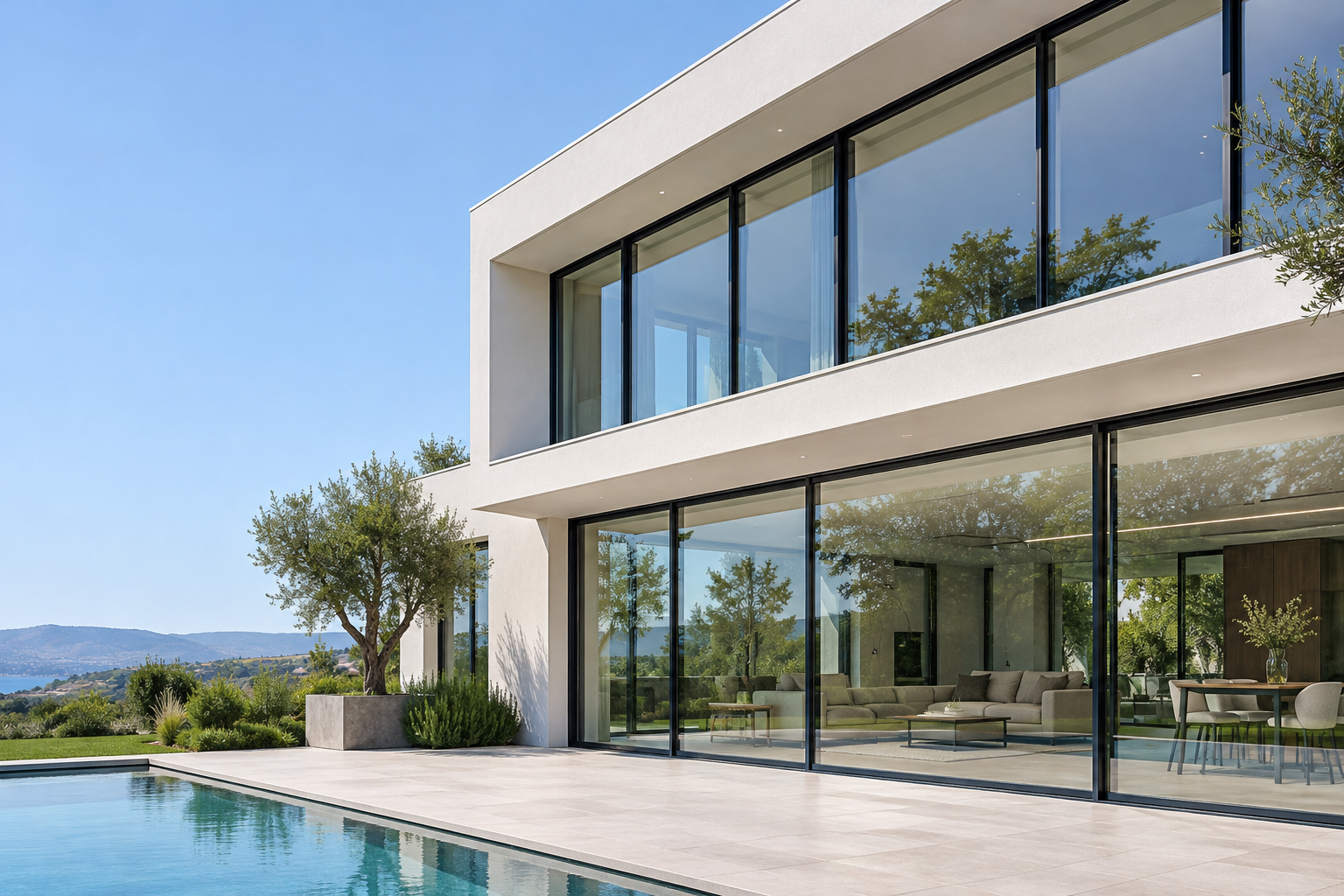
Aluminium Windows Overview
Aluminium window frames are made from aluminium alloy extrusions, usually 6063-T5. Modern aluminium windows use thermal breaks to fix heat transfer issues.
Pros
- Ultra-slim frames, large glass area, modern minimalist look
- Excellent structural strength, suitable for big fixed panels, high-rise and large openings
- Highly corrosion-resistant with powder coating or PVDF finish; marine grade options for coastal salt air
- No warping, swelling or brittleness under extreme temperature changes
- Fully recyclable, eco-friendly
- Long service life, often 30 years or more
Cons
- Higher upfront price than standard uPVC
- Basic non-thermally broken aluminium has poor insulation
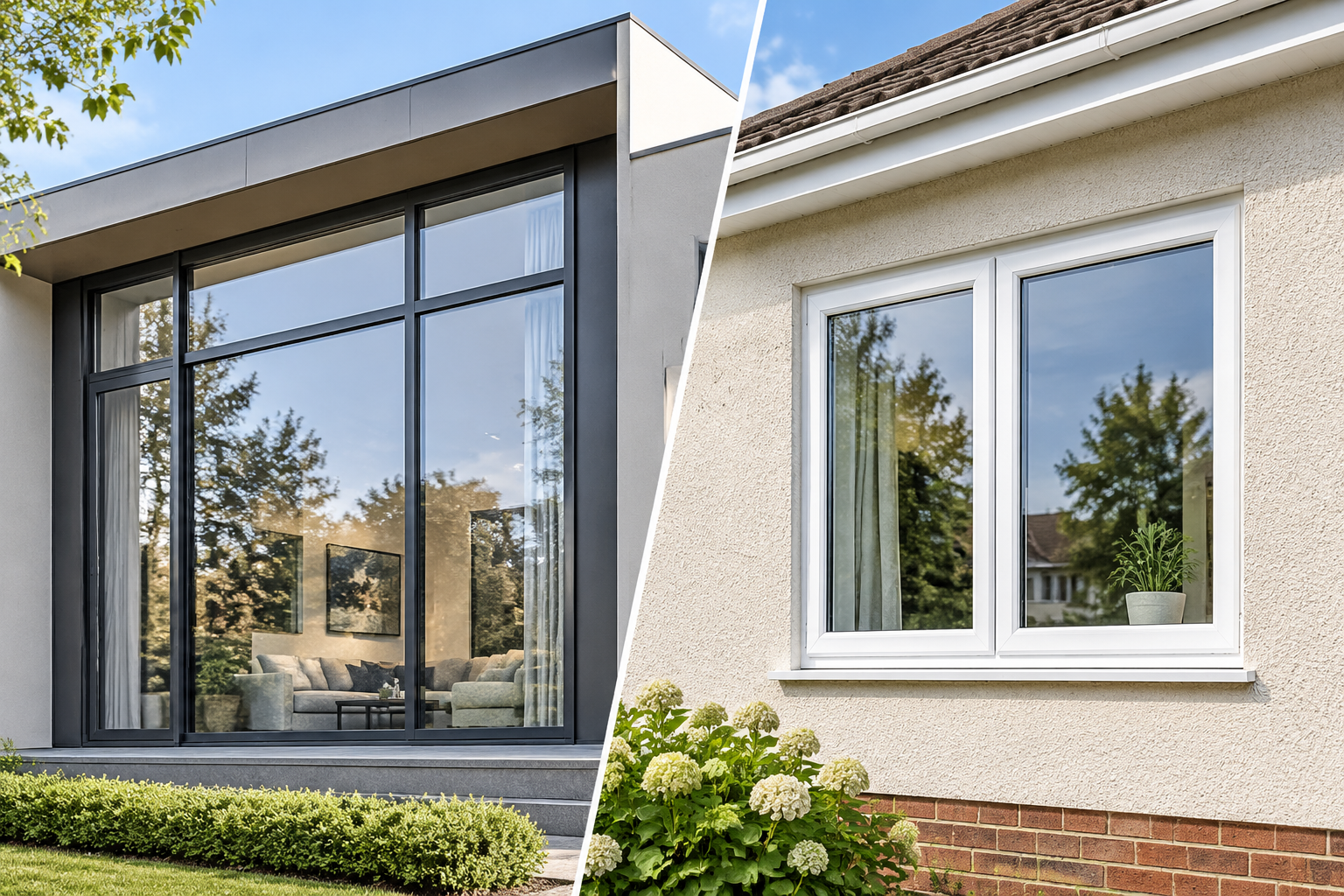 uPVC windows are a practical option for standard residential replacement projects.
uPVC (Vinyl) Windows Overview
uPVC windows are made from rigid unplasticised polyvinyl chloride. They are the mainstream low-to-medium budget option for residential replacement.
Pros
- Lower initial purchase price
- Good thermal insulation as standard
- Wide colour range, easy to install
Cons
- Thicker, bulkier sightlines; less visual appeal for modern architecture
- Risk of UV fading, chalking and brittleness after long sun exposure
- Expands and contracts significantly with temperature shifts
- Not ideal for very large glass panels or high-rise buildings
- Poor performance in coastal salt environments; internal steel reinforcement can rust
Side-by-Side Comparison Table
Table 1. Aluminium windows vs uPVC windows
| Factor | Aluminium Windows | uPVC Windows |
|---|---|---|
| Energy Efficiency | Depends on thermal break + glass; top systems match uPVC | Good baseline insulation |
| Frame Sightline | Slim, minimalist | Thick, chunky |
| Lifespan | 25-40+ years | 15-25 years |
| Coastal / Salt Area | Excellent (marine coating) | Poor, easy internal rust |
| Maintenance | Very low, simple wash | Low, but need periodic check |
| Large Glass Panels | Strong, recommended | Limited structural capacity |
| Recyclability | 100% recyclable | Harder to recycle |
| Initial Cost | Higher | Lower |
Which Should You Choose
Pick Aluminium Windows If
- You want slim frames, panoramic glass and modern design
- The property is coastal, exposed, high-rise or commercial
- You need oversized windows, lift-and-slide doors or folding systems
- You want long lifespan, stable colour and low replacement frequency
- You are working on villa, luxury renovation, architect-designed projects
Pick uPVC Windows If
- You have a tight budget for standard residential replacement
- Window sizes are small to medium and not exposed to harsh salt wind
- You prioritise low up-front cost and do not mind thicker frames
Common Myths
Myth 1: uPVC is always more energy efficient.
Fact: A high-quality thermally broken aluminium window with triple low-e glass can outperform basic uPVC windows.
Myth 2: Aluminium windows always get condensation.
Fact: Condensation risk comes from missing thermal break and poor installation. Certified thermal break systems control condensation well.
Myth 3: uPVC is maintenance-free.
Fact: uPVC can become brittle and discoloured after years of strong UV exposure.
FAQ
Q1: Do aluminium windows cost much more than uPVC?
Yes, the initial cost is higher. But aluminium holds its condition much longer, so the lifecycle cost can be competitive.
Q2: Can aluminium windows match traditional house styles?
Absolutely. Many suppliers offer textured, wood-look powder coating for heritage and classic homes.
Q3: Which is quieter, aluminium or uPVC?
Acoustic performance mostly depends on glass (laminated glass) and sealing, not the frame material itself.
Conclusion
uPVC is a practical budget solution for standard residential windows. Aluminium windows shine for premium design, coastal sites, large glazing and long-term value. For builders and overseas buyers, thermally broken aluminium is the most versatile choice for modern residential and commercial projects.
Need the Right Window Solution?
Send us your project drawings, and we will provide aluminium window solutions with performance data and price breakdown.


 Hot News